2026-11-13 · Tom Harlan
How to Handle Basement Water After Spring Snowmelt in Lincoln
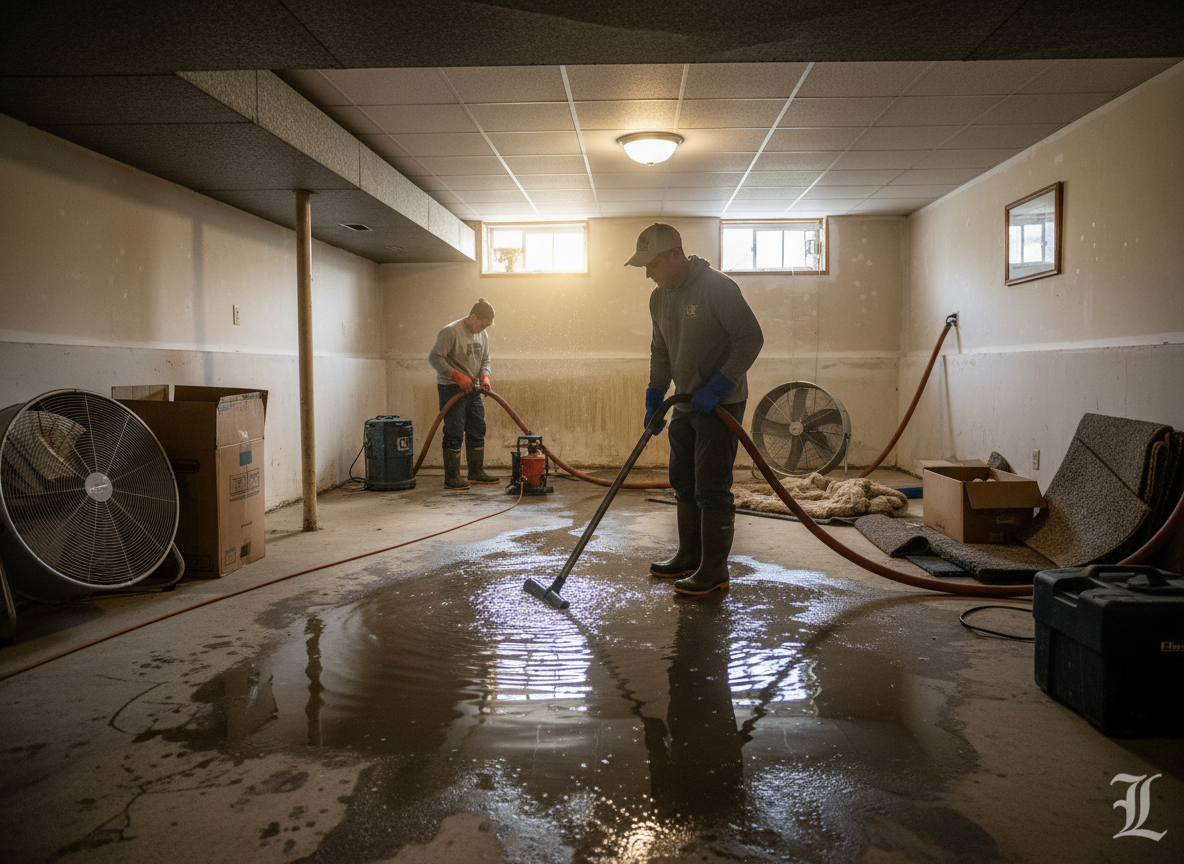
After spring snowmelt in Lincoln, begin by pumping standing basement water within 24-48 hours using a submersible pump rated for at least 1,000 gallons per hour, then run dehumidifiers to bring indoor humidity below 50% while directing airflow across wet surfaces.
Identify Entry Points in Lincoln Basements
Lincoln's cold winters produce heavy snowpack that melts rapidly in spring, sending water toward foundations in neighborhoods such as Belmont, Havelock, and University Place. Older homes built before 1960 often feature fieldstone or concrete block foundations with mortar joints that crack from freeze-thaw cycles common in Lancaster County. Check window wells first, as they fill quickly when rain combines with meltwater near the Nebraska State Capitol area. Inspect sump pits next, clearing debris that blocks discharge lines during peak flow periods. Clay-heavy soils around Downtown and Haymarket retain moisture longer than sandy areas, pushing hydrostatic pressure against basement walls. Walk the exterior grading to confirm soil slopes away from the house at least six inches over the first ten feet. Note any cracks wider than one-eighth inch, especially on the north side where snow lingers longest.
Safe Water Removal Techniques
Remove water only after confirming electrical safety, shutting off power to affected circuits at the panel. Place a submersible pump in the lowest point and route discharge hose to a storm drain or street, avoiding saturated yards that could send water back toward the foundation. In homes near Memorial Stadium or Sunken Gardens, where lots slope toward alleys, use multiple smaller pumps rather than one large unit to prevent overwhelming municipal lines. Monitor the water level every 30 minutes and stop pumping once it drops below one inch to avoid pulling sediment into the pump. For finished basements in West A or South Bottoms, extract water from carpet and padding with a wet vac before it wicks into drywall. Never use household vacuums, as they lack the capacity and can create electrical hazards when water remains.
Thorough Drying Process
After bulk water removal, position air movers at 45-degree angles along walls and run commercial dehumidifiers rated for at least 70 pints per day. Target a drying period of five to seven days for concrete floors common in Lincoln homes, checking moisture content with a meter until readings fall below 15%. Open windows only when outdoor humidity stays below 40%, which occurs on drier spring days but rarely during thunderstorm season. In University Place bungalows with limited airflow, place fans in doorways to create cross-ventilation between rooms. Monitor for musty odors daily, as they signal hidden moisture behind paneling or under stairs. Continue running equipment until drywall feels cool to the touch and no condensation forms on windows.
Addressing Potential Mold Growth
Mold colonies can begin forming on wet materials within 48 hours in Lincoln's variable spring temperatures. Cut away and discard saturated drywall or insulation at least 12 inches above the water line to expose framing for inspection. Treat exposed wood with a borate-based solution rather than bleach, which fails to penetrate porous surfaces. In older Near South properties, check behind cabinets and under stairs where meltwater travels farthest. If black spotting appears on joists, isolate the area with plastic sheeting to prevent spores from spreading through HVAC returns. Track indoor humidity with a digital gauge and keep levels under 50% throughout the drying phase.
Professional Restoration Options
When water reaches finished areas or exceeds two inches across the entire floor, contact a local team for extraction and structural drying. Water Damage Restoration crews familiar with Lancaster County soil conditions bring truck-mounted equipment that removes water faster than portable units. Review the factors that influence project scope in the article What Affects the Price of Water Damage Restoration in Lincoln NE. For homes in Havelock or Belmont with repeated spring issues, technicians can install improved French drains tied to existing sump systems. Schedule service during business hours at 5711 Russell Dr, Lincoln, NE 68507, Monday through Friday 8am–6pm or Saturday 9am–2pm.
Preventing Future Issues
Improve exterior drainage by extending downspouts at least five feet from the foundation and adding splash blocks in areas prone to pooling near the Lincoln Children's Zoo vicinity. Install battery backup for sump pumps before the next winter to handle power outages during thunderstorms. Re-grade soil around the house every three to five years, especially after heavy equipment work disturbs the slope. Consider a Water Damage Repair evaluation if cracks reappear annually. For additional guidance on post-storm checks, read Checking for Hidden Leaks in Lincoln Homes After Summer Storms. These steps reduce repeat water events in Lincoln's freeze-thaw climate.