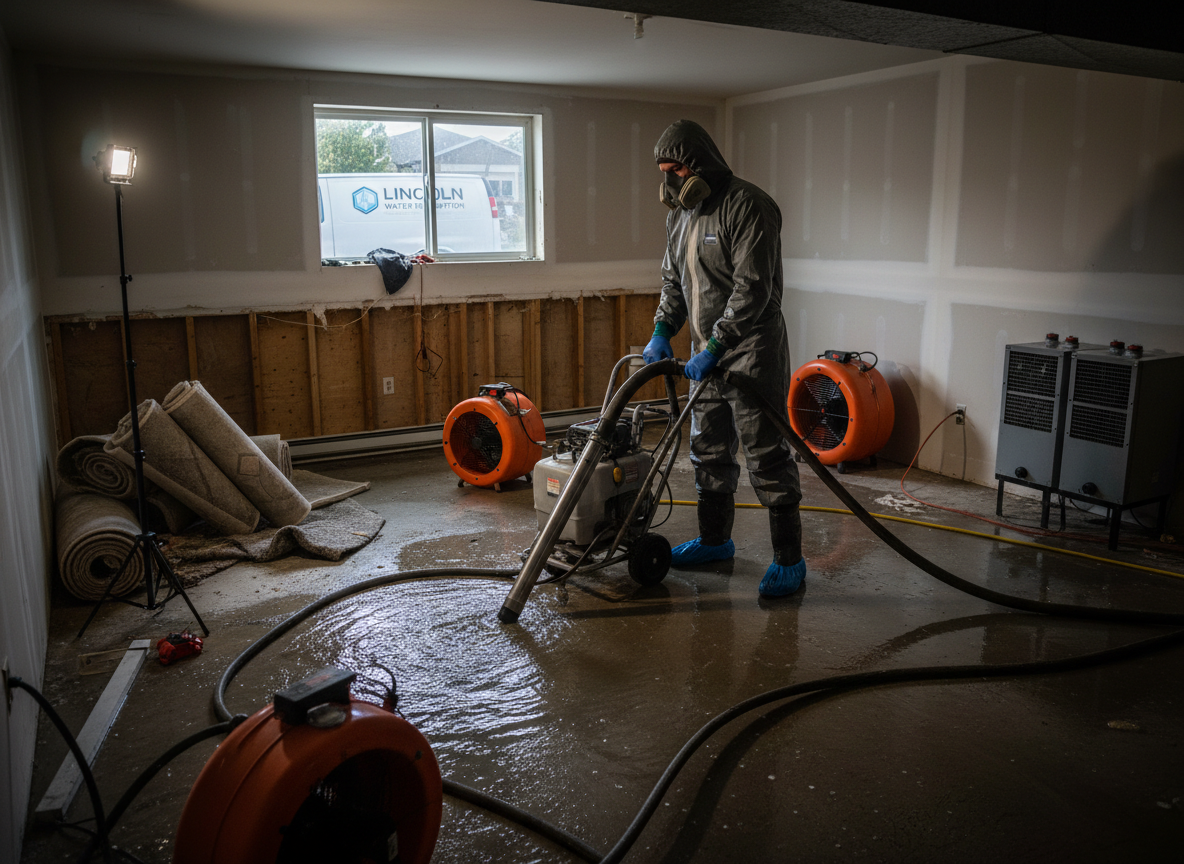
Lincoln's mix of pre-1950 brick homes in Near South and Haymarket plus post-war ranches in Belmont and Havelock creates distinct restoration challenges. Older plaster and lathe walls absorb water differently than modern drywall, and the clay-heavy soils around Lancaster County slow natural drainage after heavy rains. Thunderstorms and occasional tornadoes often drive water into basements and crawl spaces where sump pumps are either absent or undersized. Restoration crews must account for these material differences during moisture mapping and drying to prevent hidden mold growth behind trim and under subfloors.
Summer humidity combined with sudden cold snaps in winter forces crews to adjust equipment placement and drying times in University Place and West A neighborhoods. Memorial Stadium events and University of Nebraska-Lincoln campus traffic can delay equipment delivery, so local teams keep staged drying units ready at the Russell Drive shop. Homes near the Sunken Gardens and Lincoln Children's Zoo sit on slightly lower ground that collects runoff, requiring extra attention to foundation grading after extraction. Technicians document every step for insurance adjusters familiar with Lancaster County claims.
When water reaches electrical systems in Downtown commercial buildings or multi-unit properties in South Bottoms, power must be isolated before extraction begins. Crews carry low-grain refrigerant dehumidifiers sized for Nebraska's variable dew points rather than generic units. This prevents secondary damage to hardwood floors common in Haymarket row houses and reduces callback rates during the humid months between Memorial Day and Labor Day.
Technician insight
In Lincoln, the thing that catches most people out with Water Damage Restoration is how the heavy clay soil around Belmont and West A keeps moisture against foundations long after the rain stops. Homeowners often think once the water is pumped out the job is done, but without extended drying cycles those walls stay damp and mold follows in the humid weeks after a thunderstorm.
Pipe Failure in University Place Rental
A supply line burst on the second floor of a 1960s duplex, sending water through plaster ceilings into the unit below. Extraction removed several hundred gallons; drying focused on the lathe and plaster that holds moisture longer than drywall. Equipment ran for six days until readings matched dry standards in unaffected rooms, allowing the owner to reopen the lower unit without mold issues.
Water Damage Restoration Services We Offer
✓Emergency Water Extraction
Rapid removal of standing water from basements and crawl spaces in Lincoln neighborhoods after storms or pipe bursts using truck-mounted pumps sized for local clay soils.
✓Structural Drying
Targeted drying of walls, floors and ceilings in older Haymarket and Near South homes using moisture meters and low-grain dehumidifiers matched to Nebraska humidity swings.
✓Basement Waterproofing Assessment
Inspection and temporary sealing recommendations for South Bottoms and Belmont properties where high water tables and poor drainage cause repeated flooding.
✓Content Drying and Restoration
Salvage and drying of furniture, documents and textiles from University Place and Havelock residences using climate-controlled chambers to limit secondary damage.
✓Post-Storm Debris and Water Removal
Cleanup after tornado or thunderstorm damage in West A and areas near the Nebraska State Capitol, including removal of water mixed with insulation and roofing materials.
Water Damage Restoration Cost in Lincoln, NE
| Service | Typical Range | What Affects It |
|---|---|---|
| Emergency Extraction Visit | $350–$850 | Higher for multi-level homes or limited access in South Bottoms basements. |
| Full Structural Drying Package | $1,200–$3,500 | Depends on square footage, plaster vs drywall, and duration of humidity. |
| Content Drying Service | $400–$1,100 | Varies by item count and whether items must be moved off-site. |
Ranges are typical for Lincoln, NE and confirmed with an exact written quote before any work starts.
How it works
- 1
On-Site Assessment
Technician inspects affected areas in the Lincoln property, maps moisture with meters, and notes construction type common to the neighborhood.
- 2
Water Extraction
Standing water is removed using pumps and vacuums suited to the volume and access constraints of older Lancaster County homes.
- 3
Drying and Dehumidification
Air movers and dehumidifiers are placed based on material types and current outdoor humidity to reach dry standards without warping floors or trim.
- 4
Final Moisture Verification
Readings are taken again and compared to unaffected areas; any remaining wet pockets are addressed before equipment removal.
Pricing
Upfront written quotes after inspection; price varies by water volume, materials affected and access in older Lincoln homes.