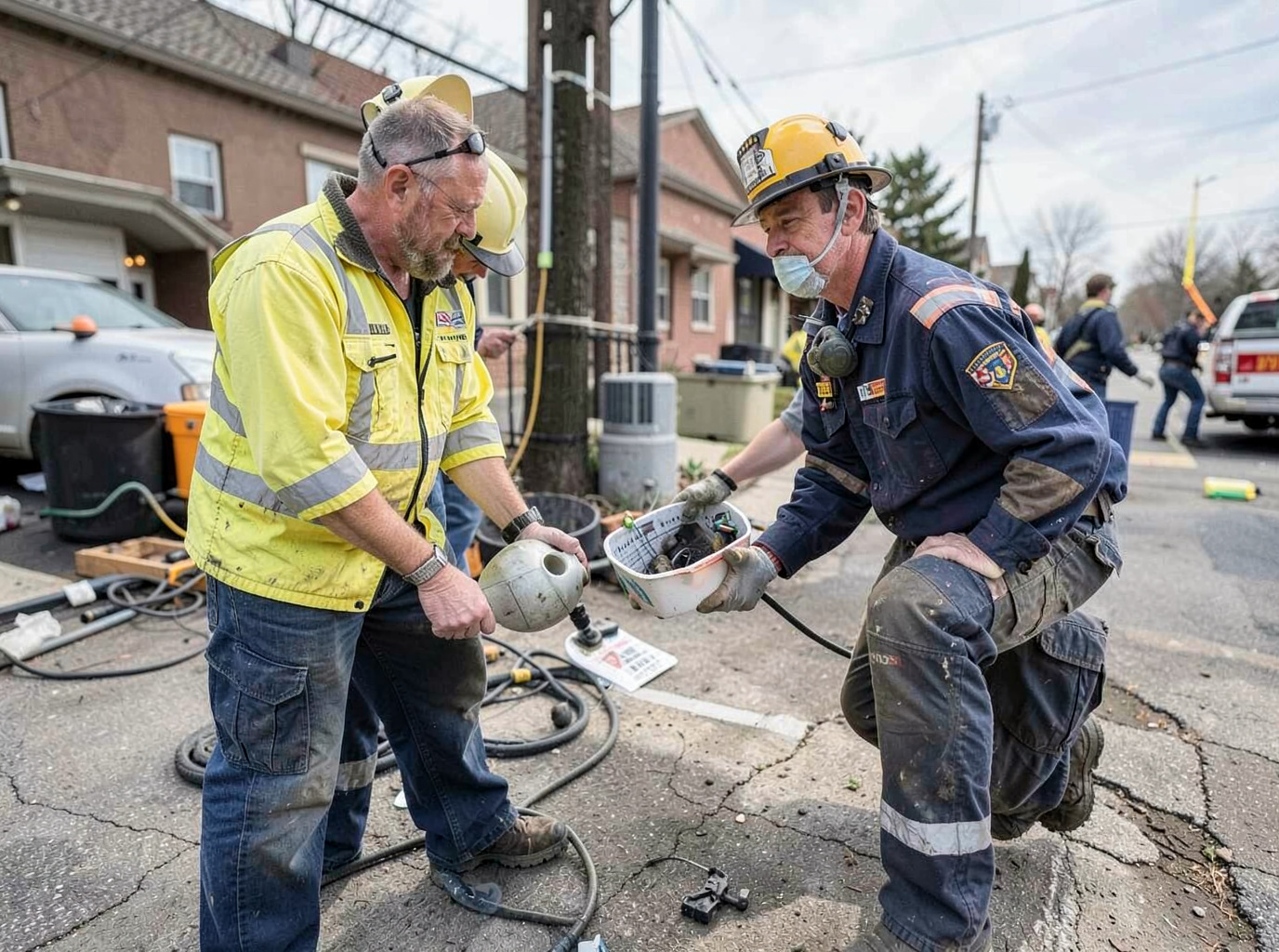
Lincoln's older housing stock in neighborhoods like Near South and University Place often features plaster walls and balloon framing that absorb water quickly during thunderstorms. When a pipe bursts or runoff enters a basement in South Bottoms, the water travels along floor joists and into cavities that standard shop vacuums cannot reach. Technicians use truck-mounted extraction units and moisture meters to locate hidden saturation before mold sets in, especially important after the heavy spring rains common in Lancaster County.
Cold winters bring their own challenges. Freezing temperatures can split supply lines in Haymarket and Havelock homes built before 1950, sending water across hardwood floors that cup if not dried within hours. Emergency crews stage dehumidifiers and air movers in sequence, starting at the lowest point and working toward the Nebraska State Capitol area where many row houses share walls that allow moisture migration between units.
Tornado warnings and straight-line winds frequently damage roofs near Memorial Stadium and the University of Nebraska-Lincoln campus, allowing rain to pool in attics. Extraction here requires temporary containment to protect insulation and electrical systems. Crews document every step with photos because insurance adjusters in Lincoln expect detailed records of water migration paths through these older structures.
Technician insight
In Lincoln, the thing that catches most people out with Emergency Water Removal is how quickly water travels through the balloon framing in 1920s homes around the State Capitol and then freezes in the joists during our cold winters, turning a simple leak into hidden rot that only shows up months later.
Storm Runoff Into South Bottoms Basement
Heavy spring rain sent water through a window well into a 1940s home near the Sunken Gardens. Extraction revealed saturation behind the plaster on two walls. Crews removed the water, set drying equipment, and returned daily until readings matched the rest of the house, stopping mold before it started.
Emergency Water Removal Services We Offer
✓Basement Flood Extraction
Removes standing water from Lincoln basements after storms or sewer backups using submersible pumps sized for the volume found in South Bottoms and Belmont homes.
✓Burst Pipe Water Removal
Extracts water from walls and floors following frozen pipe failures common in University Place and Havelock during cold snaps.
✓Storm Damage Water Extraction
Handles rainwater intrusion from roof or window damage after thunderstorms that hit Downtown and Haymarket properties each spring.
✓Carpet and Subfloor Drying
Pulls water from carpet pads and hardwood subfloors in older Near South homes to prevent warping and hidden mold growth.
✓Attic Water Removal
Drains pooled water from attics after wind-driven rain near the University of Nebraska-Lincoln campus and Memorial Stadium.
Emergency Water Removal Cost in Lincoln, NE
| Service | Typical Range | What Affects It |
|---|---|---|
| Small area extraction under 200 sq ft | $250–$550 | Shallow clean water in accessible rooms |
| Basement standing water removal | $600–$1,400 | Depth, sewage presence, and pump time required |
| Full home drying package | $900–$2,200 | Multiple rooms plus wall cavities in older construction |
| Attic water extraction | $400–$850 | Roof access and insulation handling |
Ranges are typical for Lincoln, NE and confirmed with an exact written quote before any work starts.
How it works
- 1
Arrival And Safety Check
Technicians arrive from the Russell Drive location, shut off water sources, and assess electrical risks before any extraction begins.
- 2
Water Extraction
Industrial pumps and wands remove standing water from floors, carpets, and wall cavities in the affected Lincoln property.
- 3
Drying Setup
Air movers and dehumidifiers are placed to target moisture trapped in plaster, hardwood, and insulation typical of Lancaster County homes.
- 4
Moisture Monitoring
Daily readings confirm drying progress until levels match unaffected areas, preventing secondary damage in shared-wall buildings.
Pricing
Cost depends on water volume, access difficulty, and drying duration; call for a same-day assessment.