2026-11-13 · Tom Harlan
Checking for Hidden Leaks in Lincoln Homes After Summer Storms
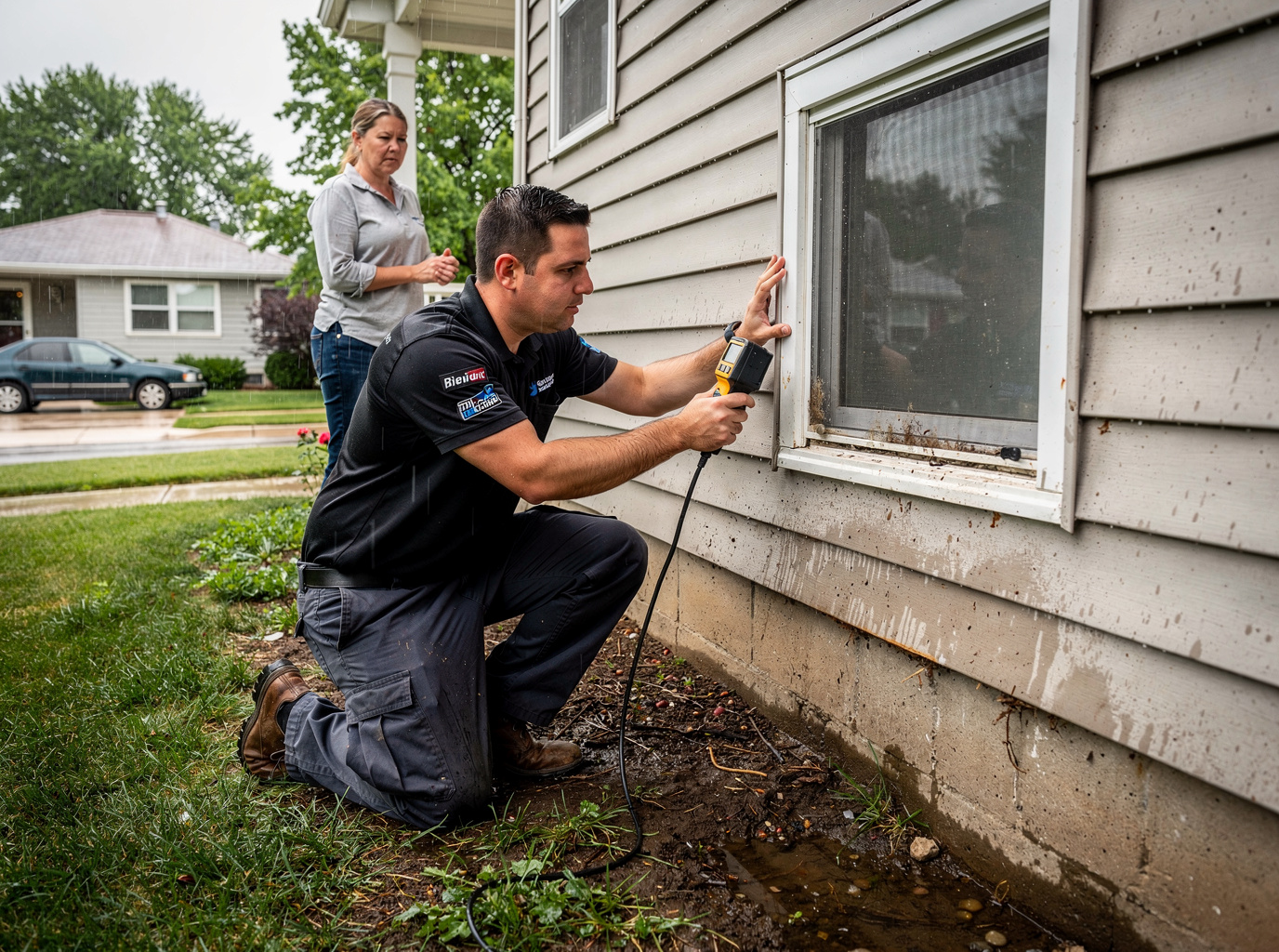
After summer storms hit Lincoln, check attics, basements and wall cavities within 48 hours because hidden leaks from wind-driven rain frequently appear first in these spots rather than on visible floors.
Inspecting Roofs and Attics After Thunderstorms
Lincoln summers bring frequent thunderstorms that drop heavy rain and gusty winds capable of lifting shingles on homes in Haymarket and Downtown. Start by looking for water stains on attic sheathing or insulation near the Nebraska State Capitol area where many pre-1960 homes have older roof decks. Use a bright flashlight to scan rafters for dark streaks or soft spots, paying extra attention to valleys and around chimneys common in University Place bungalows. Check soffit vents for moisture buildup that signals wind-driven rain entering under the edge. If you find damp insulation, remove a small section to see whether the moisture extends into the ceiling joists. Homes near Memorial Stadium often have steeper pitches that shed water well but still trap debris in gutters during these storms, so clear leaves and check downspouts while you are up there. Document any findings with photos before deciding whether the issue needs professional water damage repair.
Checking Basements and Crawl Spaces in Lancaster County Homes
Basements in South Bottoms and Near South neighborhoods sit close to the water table and collect runoff from summer storms that saturate the clay-heavy soil around Lincoln. Walk the perimeter inside and look for damp spots along the foundation wall, especially where grading slopes toward the house in older Belmont properties. Press on drywall near floor level; soft or discolored areas often indicate water that entered through cracks during heavy downpours. In crawl spaces common to West A and Havelock, shine a light along sill plates and check for standing water or mud lines left after the storm passes. Humidity levels stay high for days after a thunderstorm, so use a moisture meter on wooden beams to catch readings above 16 percent that signal ongoing seepage. These areas connect directly to the county's stormwater system, which can back up when rain exceeds two inches per hour, pushing water into lower levels of 1950s-era homes.
Examining Walls, Windows and Ceilings
Water from summer storms often travels along window frames and exterior siding before showing inside walls of Lincoln homes. Run your hand along drywall near windows in University Place and check for cool spots that indicate trapped moisture behind the surface. Look at ceilings below bathrooms or kitchens for new brown rings after heavy rain, a frequent issue in two-story homes near Sunken Gardens. In the Near South, where many houses have plaster walls, tap lightly with a screwdriver handle; a hollow sound can mean the plaster has separated from the lath due to hidden water. Around the University of Nebraska-Lincoln campus, rental properties often have aluminum windows that leak at the corners during wind-driven rain, so inspect caulk lines and weep holes for blockages. If moisture appears along baseboards after a storm, lift the carpet edge in that room to see whether the padding is wet, because padding holds water longer than the carpet itself.
Knowing When Professional Help Is Needed
If moisture readings stay elevated after 72 hours or you find mold growth on framing, contact a local team for water damage restoration rather than attempting full drying yourself. Homes in Lancaster County that experienced repeated thunderstorm leaks may need targeted drying behind walls that a standard fan cannot reach. The team at 5711 Russell Dr operates Mon–Fri 8am–6pm and Sat 9am–2pm and serves Lincoln plus nearby Omaha routes when storms affect both cities. For guidance on what typically drives costs in these situations, review what affects the price of water damage restoration in Lincoln NE. When leaks trace back to roof or foundation issues common after summer weather, schedule water damage restoration to prevent long-term structural problems in older stock throughout the area.